March 1st marks International Wheelchair Day, a celebration of the transformative impact of wheelchairs on individuals and communities worldwide. As we recognize the significance of mobility and independence, we also acknowledge the ongoing struggle for accessibility and inclusion.
The Power of Mobility
Wheelchairs are more than just a means of movement – they empower individuals to regain control over their lives. By enhancing mobility, wheelchairs promote independence, well-being, and confidence. They enable people to participate in daily activities, socialize, and access education and employment opportunities.
Wheelchair Anatomy
The Unmet Need
Despite the life-changing impact of wheelchairs, millions of people worldwide lack access to these essential mobility aids. An estimated 75 million people globally require a wheelchair, yet only 5-15% have access to one. In India, over 2.7 crore people live with disabilities, but many remain without the mobility support they need.
Breaking Down Barriers
The lack of accessible transport, infrastructure, and affordability remains a significant obstacle for people with disabilities. However, by advocating for inclusive public spaces, supporting initiatives that provide affordable wheelchairs, and celebrating stories of resilience, we can work towards a more inclusive world.
Mobility is a fundamental right, not a privilege. As we celebrate International Wheelchair Day, let us reaffirm our commitment to creating a world where everyone has access to the mobility aids they need to thrive. Together, we can empower individuals, promote inclusion, and build a more equitable society.
Call to Action
Join us in celebrating International Wheelchair Day by sharing your own stories, experiences, or messages of support. Let us raise awareness about the importance of mobility and accessibility, and work together towards a more inclusive future.
As we bid farewell to 2024, I know you’re all busy drafting your New Year’s resolutions and strategic plans for 2025. It’s time to confront the harsh realities of disability representation in Indian media. Despite years of advocating for inclusivity, the industry remains plagued by tokenism, stereotypes, and systemic barriers. In this article, we’ll delve into the uncomfortable truths and outline the necessary steps for genuine change in 2025.
It’s that time when promises feel easier to make and change seems more possible than ever.
Let’s cut through the noise and face some uncomfortable facts about how our media landscape treats disability. After years of working in the disability space, I’ve witnessed plenty of lip service being paid to inclusion. But little has really changed.
Here’s a take on what needs to shift in 2025.
1. Stop making accessibility an afterthought We’re still debating basic accommodations like closed captions and audio descriptions in 2025? Seriously? When a blind person can’t follow your primetime show or a deaf viewer misses crucial dialogue, that’s not their problem – it’s yours.
2. Enough with the fake portrayal You wouldn’t cast a non-Indian actor to play an Indian character, so why is it acceptable to have non-disabled actors playing disabled roles? The talent exists. The excuse of “we couldn’t find anyone suitable” doesn’t fly anymore.
3. Drop the inspiration porn Every time you showcase a disabled person as “brave” or “inspiring” just for living their life, you’re reinforcing harmful stereotypes. We don’t need another story about “overcoming” disability. We need stories about living with it.
4. Give them the reins Want authentic disability representation? Put disabled people in charge of telling these stories. We need disabled writers, directors, reporters, editors and producers calling the shots, not just being “consulted” as an afterthought.
5. Watch your words The language we use shapes perception. If you’re still using outdated terms or infantilising language, you’re part of the problem. I still see headlines using “differently-abled,” “specially-abled,” or worse, “divyang.” Stop sugar-coating disability. And please, spare Persons with Disabilities the “suffering from” or “afflicted with” narratives. They live with their disabilities, they’re not victims of some tragedy.
You know what else needs to go? Those patronizing terms like “wheelchair-bound” or “special needs”. They are wheelchair users – the chair or the device enables mobility. It doesn’t bind, it liberates. Their needs aren’t special, they’re basic human rights. And for heaven’s sake, stop referring to non-disabled people as “normal”. What does that make disabled people?
It’s 2025 – educate yourself on respectful terminology.
6. Success isn’t just about disability When you profile a disabled entrepreneur, focus on their business acumen, not just their disability. They are successful because they are good at what they do, not despite their disabilities. Same is true for someone who is an academic or sporting genius.
7. Mainstream advertising needs a reality check Disabled models shouldn’t just appear in CSR campaigns. Persons with disabilities buy clothes, use smartphones, and drive cars. Why are they missing from those advertisements?
8. Stop the calendar journalism If your coverage of disability issues only surfaces on International Day or Persons with Disability, you’re doing it wrong. Disabled lives, challenges, and achievements exist 365 days a year.
9. Social media isn’t optional Digital platforms have democratised storytelling. Let’s be brutally honest here. Your social media teams love hashtags like #DisabilityAwareness and #Inclusion when it’s December 3. But what about the other 364 days?
And speaking of content creators – why aren’t mainstream media platforms amplifying disabled voices? We have blind food critics reviewing restaurants on Instagram, deaf dancers creating viral reels, wheelchair users documenting their travel adventures and disability rights activists doing powerful advocacy work through Twitter threads. But the ‘trending’ sections and ‘recommended’ lists somehow never seem to find them.
Disabled creators exist. They’re creating compelling content, and they’re building engaged communities despite the algorithms working against them.
Here’s another reality check – your own social media content isn’t accessible. Where are the image descriptions, captioned videos and the transcripts? You can’t claim to support disability representation while excluding disabled users from accessing your content.
10. This isn’t a trend Inclusion isn’t a box to tick or a phase to pass. It’s a fundamental shift in how media operates. If you’re not in it for the long haul, step aside for those who are. Commit to real, lasting change in how you operate – from your newsroom to your boardroom.
The bottom line is that the Indian media’s approach to disability inclusion needs more than cosmetic changes. It needs a complete overhaul. And 2025 is as good a time as any to start getting real about it.
July 13th, 2024, was a day I’ll never forget – the day I finally took my first swimming lesson! As a person with disabilities, I’ve always been fascinated by the water, but never had the chance to learn how to swim. That lack of knowledge has kept me from enjoying pool days and beach trips, something I’ve always wanted to experience.
But today, I faced my fears and dove in (literally!). It wasn’t easy, especially after a near-drowning experience in the bigger pool. I started in the baby pool, feeling a bit awkward at first. But with the guidance of my amazing instructor, I began to relax and trust the water.
Goa para swimmers at swimming coaching class at SAG Campal Goa
The moment I floated for the first time was pure magic! It was a mix of excitement, pride, and a sense of accomplishment. I realized that I’m capable of more than I thought, and that with the right support, I can overcome any obstacle.
This journey into para swimming has just begun, and I’m eager to continue learning and growing. I hope to inspire others with disabilities to take the plunge and explore the world of swimming. It’s a journey of water confidence, self-discovery, and empowerment.
Stay tuned for more updates on my para swimming adventure! #ParaSwimming #LearningToSwim #WaterConfidence
When everyone else says you cannot, determination says, “YES YOU CAN.”
Welcome to the official blog of Ritesh Vaigankar, a space where inspiration meets action, and where the impossible becomes possible. I am Ritesh Vaigankar, a below-knee amputee, and I am here to motivate people, especially Persons with Disabilities, to embrace their potential and live life to the fullest.
Para Table Tennis Tournament Goa 2024
About My YouTube Channel On my YouTube channel, “Ritesh Vaigankar,” I share my journey, challenges, and triumphs. My mission is to inspire and empower individuals with disabilities through the promotion of para sports and cultural activities. I believe that every person, regardless of their physical condition, has the power to achieve great things with determination and the right mindset.
Celebrating a Milestone: 200+ Subscribers I am thrilled to share that our community has grown to over 200 subscribers! This milestone is a testament to the power of determination and the unwavering support from each one of you. Your encouragement and belief in the message we are spreading have been pivotal in reaching this achievement.
Musal Dance performance by Persons with Disabilities at International Purple Fest 2024 Goa
Promoting Para Sports and Cultural Activities One of the core focuses of my channel is to promote para sports and cultural activities for Persons with Disabilities. Sports and cultural engagement are powerful tools for building confidence, fostering community, and showcasing the incredible abilities of individuals with disabilities. Through my videos, I aim to highlight various para sports, share tips and training sessions, and feature inspiring stories of athletes who have overcome significant obstacles.
Relaxthon – Inclusive Marathon
Join the Journey I invite you to join me on this journey of empowerment and inspiration. Subscribe to “Ritesh Vaigankar” on YouTube to stay updated with the latest videos, stories, and motivational content. Together, we can create a supportive and uplifting community that celebrates the strength and resilience of Persons with Disabilities.
Thank you for being a part of this incredible journey. Let’s continue to push boundaries, break stereotypes, and prove that with determination, “YES YOU CAN.”
“Overcoming amputation after electrocution, this youth wins hearts”
By BHARATI PAWASKAR | JUNE 18, 2024, 12:11 AM IST
Article on THE GOAN Newspaper 18 June 2024
PANAJI Despite facing the immense challenges of being a person with a disability and surviving a high-tension electric shock, Ritesh Narayan Vaigankar never allowed himself to succumb to the belief that there was no place for someone like him in society. While his family provided strong support, it was his inner drive that fuelled his determination to push forward.
Born on February 9, 1988, at Bicholim, Ritesh suffered a massive electrocution with a 33 KV high-tension power transmission line on October 23, 2003. He woke up in the hospital to find 70% of his body burned.
“I needed assistance with almost everything I did so freely before the accident. By that time, I had severe bed sores on my body and muscle contractures. I had to undergo loads of physio at the hospital during the ongoing treatment. The changes were challenging. My severely injured right leg was, eventually amputated,” shares Ritesh, 35.
Moment captured at National Para Table Tennis Championship 2024
Post amputation, the changes were challenging. Ritesh needed assistance with tasks he previously did with ease. He spent months learning to walk with the new prosthetic leg. It took him almost three years to recover.
“During my time in the hospital, Dr Savio George Barreto was like a shining light to me. He didn’t just treat me, he supported me every step of the way. With Dr Barreto’s help, and having my dad and brother always by my side, I saw my wounds heal and my health getting better,” recalls Ritesh. Belief in God and support from his family helped him to maintain a positive ‘I can do it’ attitude.
Ritesh is not just a survivor, but a thriver, capable of overcoming any obstacle that comes his way. After three years of hospitalization and 10 surgeries including right-leg amputation, Ritesh was left with electrical burn scars. Firstly, he decided to complete his schooling at Shree Shantadurga Higher Secondary School in Bicholim and did a diploma in electronic and telecommunication engineering at Government Polytechnic.
“During my bedridden days, I made a promise to myself that I would not let my circumstances dictate my future. Instead, I set my sights on completing my studies and making a meaningful contribution to the world. It wasn’t an easy journey by any means. I not only completed my education but also secured a position as an executive in an MNC, Siemens Ltd at Verna in 2011, where I honed my skills for six years. From 2017 onwards, I have been working as a vocational instructor at a technical institute, teaching and inspiring young minds to develop their skills and become self-dependent. I am fulfilling my purpose of empowering others and making a difference in their lives,” says Ritesh.
“Though initially apprehensive about how people would perceive me, I chose to persevere and not let my disability hinder my education and future opportunities. Additionally, I’ve worked on building my self-confidence and embracing my scars as part of my story. While it took time to adjust to the changes in my appearance, I’ve learned to accept and even embrace them as symbols of my strength. Overall, while the challenges of living with a disability have been significant, I’ve taken proactive steps to overcome them and embrace life to the fullest.
“My motivation stems from observing remarkable persons with disabilities who have inspired countless others. Witnessing their impact has fuelled my desire to inspire others, even if it means reaching just one person among a thousand. I believe that even a single spark of inspiration can set off a chain reaction of positivity, making a difference far beyond its initial reach.
“I would love to see a mindset of inclusivity and acceptance, especially towards persons with disabilities. A future generation where children are raised in such a way that when they see a person with disabilities they should not think that he/she has a problem or he/she is not normal. Instead, I hope they recognize the unique strengths and capabilities of every individual, regardless of their physical differences,” states Ritesh.
Youngest in his family, Ritesh’s brother Keshav became his strongest pillar. Keshav paused his studies to take care of Ritesh like a mother, staying by his side throughout the hospital stay. “I owe everything to him for helping me become who I am today,” says a thankful Ritesh who had never imagined travelling or going on trips and visiting places.
“I enjoy travelling to new places, climbing hills, riding bikes and swimming. I’ve been to over 10 States, and these adventures remind me that there’s a big, beautiful world out there, ready for us to explore and have fun in, no matter what challenges we may face,” says Ritesh, who is actively pursuing the possibility of getting a prosthetic leg with a running blade, as it represents a tangible step towards completing his dream of running once again.
Ritesh has earned recognition as a State and district-level champion. “Notably, I clinched second place, securing a silver medal in the All Goa Civil Service Tournament 2024,” he said.
He creates awareness through his blog https://beingritz.home.blog/ which is dedicated to disability-related issues. He spends time sketching and painting, telling stories with colours and shapes. He is also good at finding smart ways to get around problems and deal with tough situations.
“I believe that everyone has their own challenges and limitations; nobody is perfect. Despite challenges, I am determined to make the world a better and more inclusive place for everyone, including people like me. There was a time when I felt the need to hide my burned skin and shy away from social interactions, but as time passed, I realized the abundance of love and acceptance in the world. This journey of self-acceptance has been empowering, and I stand confidently in my own skin. I hope to be remembered as someone who never gave up and being a light for people who are losing hope in life,” concludes Ritesh.
How to Apply for the Disability Railway Concession Card (“Divyangjan Card”) Are you a person with a disability looking to avail concessions on railway tickets? The Divyangjan Rail Concession Card by Indian Railways makes it easier to access eligible fare concessions during train travel across India Last month, I got my “Divyangjan Railway Card” through…
Happy National Sports Day 2025! 🏏🏆 Today, we celebrate the birth anniversary of the legendary hockey wizard, Major Dhyan Chand, and honor the spirit of sportsmanship that he embodied. National Sports Day is a reminder of the importance of discipline, teamwork, and resilience in our lives. As we celebrate this special day, let’s pledge to…
In the vast skies, the only bird that dares to attack an eagle is the crow. It doesn’t strike head-on or with force. Instead, the crow perches on the eagle’s back and pecks at its neck, trying to irritate and provoke. But the eagle majestic and powerful does not react. It doesn’t fight back. It…
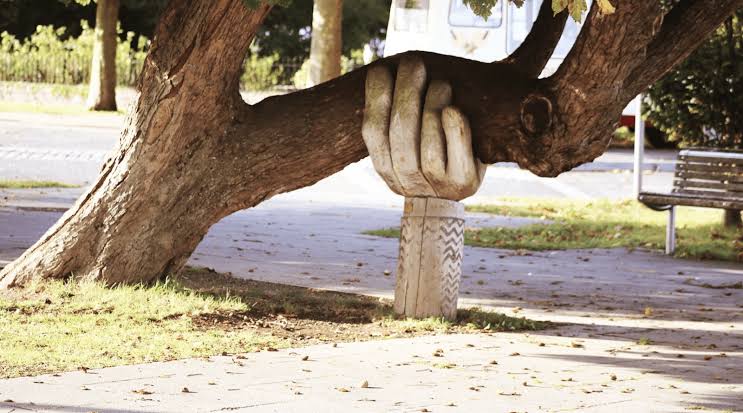
In a world where the myth of the self-made individual, it’s essential to recognize the truth: no one succeeds alone. Behind every success story lies a network of support, guidance, and collaboration. “I did it on my own” may sound like a badge of honor, but in reality, it often reflects insecurity and a sense of entitlement.
Acknowledging the help and support we receive along the way is not a sign of weakness; it’s a mark of confidence and humility. True success comes from recognizing the contributions of others and being grateful for their impact on our journey.
The belief that giving credit to others undermines our own achievements couldn’t be further from the truth. In fact, it does the opposite—it elevates those who have helped us and strengthens our connections with them. By acknowledging the role others play in our success, we foster a culture of collaboration and mutual respect.
So, let’s embrace support and celebrate the collective efforts that contribute to our achievements. Let’s replace the narrative of the self-made individual with one that honors collaboration, gratitude, and humility. After all, success is sweeter when shared.
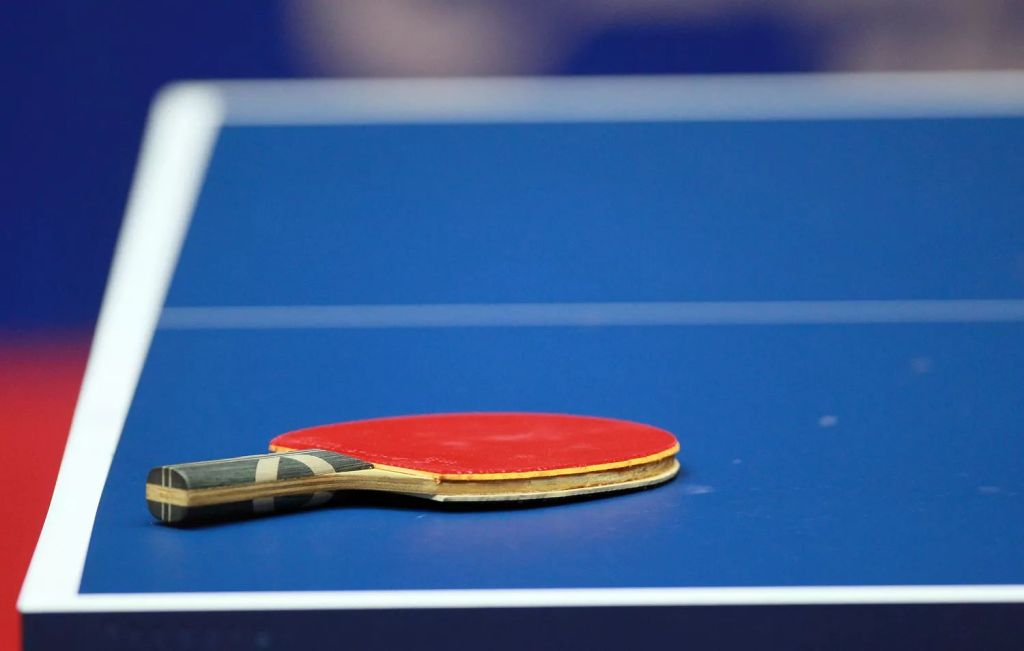
Today, we celebrate a sport that brings people together across cultures, ages, and abilities. Table tennis, also known as ping pong, is more than just a game; it’s a source of joy and competition
From casual matches in parks to intense tournaments on the international stage, table tennis has a universal appeal. Its fast-paced nature and accessibility make it a favorite pastime for millions around the globe.
On this special day, let’s recognize the power of table tennis to promote inclusivity, teamwork, and physical activity. Whether you’re a seasoned player or picking up a paddle for the first time, there’s always something new to discover and enjoy in the world of table tennis.
So grab your paddle, gather your friends, and let’s celebrate the joy of table tennis together! Happy World Table Tennis Day!
In our bustling modern world, where advancements in design and technology are ubiquitous, it’s easy to overlook seemingly minor details. However, for many individuals, particularly those with disabilities, even the smallest gap can pose significant challenges and risks.
The GAP
Consider the gap between the railway platform and the train. While it might appear trivial to some, for many others, it’s a potential hazard that can impede their journey and compromise their safety.
The risk of wheelchair wheels getting caught or turned diagonally in the gap between the metro train and the platform is a sobering reality for individuals with disabilities. It underscores the urgent need for a more inclusive approach to design and technology—one that prioritizes accessibility for all.
In our quest for progress, let’s not forget the fundamental principle of “Access For All.” By incorporating this ethos into every aspect of design and technology, we can create environments that facilitate easy access and ensure the safety of everyone, regardless of their abilities or mobility limitations.
Infrastructure barrier for being independent
It’s time to take responsibility and work towards building a barrier-free society where everyone can navigate their surroundings with dignity and independence. Let’s bridge the gap, both literally and metaphorically, to create a world that is truly inclusive and accessible for all.






 being ritz